
Switching fasting protocols is the process of changing your intermittent fasting schedule to better match your lifestyle, goals, or metabolic needs while preserving the core benefits of fasting. The most common protocols include 16:8, 5:2, alternate-day fasting (ADF), 20:4, and OMAD (one meal a day). Each creates a different fasting window, and each triggers metabolic switching, the shift from burning glucose to burning stored fat, at different rates. This switching fasting protocols guide walks you through every stage of that transition, from choosing the right method to managing the bumps along the way.
What are the main intermittent fasting protocols and how do they differ?
The four most widely practiced intermittent fasting strategies are 16:8, 5:2, ADF, and OMAD. Understanding how they differ is the first step in any fasting methods comparison.
16:8 is the most beginner-friendly protocol. You fast for 16 hours and eat within an 8-hour window each day. Most people skip breakfast and eat between noon and 8:00 PM. A 2025 study comparing 5:2 and 16:8 found that 16:8 produced a 2.28% weight loss in overweight adults over 6 weeks. That result confirms it works, even if it is the gentler of the two methods.

5:2 keeps normal eating five days a week and restricts calories to roughly 500–600 on two non-consecutive days. The same study found 5:2 produced a 3.38% weight loss over the same period. The difference is modest, but 5:2 gives you more flexibility on most days of the week.
ADF (alternate-day fasting) alternates between full fast days and normal eating days. Research shows ADF produces greater fat mass reduction than time-restricted eating over 4 weeks. A separate analysis of 99 randomized controlled trials found ADF is the only IF method with a statistically significant body weight reduction compared to continuous energy restriction, with a mean difference of 1.29 kg. That makes ADF the most aggressive of the common protocols.
OMAD compresses all eating into a single daily meal, typically within a 1-hour window. It is the most demanding protocol and suits experienced fasters who have already adapted to longer fasts.
| Protocol | Fasting window | Eating window | Difficulty | Best suited for |
|---|---|---|---|---|
| 16:8 | 16 hours | 8 hours | Beginner | Daily routine, first-timers |
| 5:2 | 2 days restricted | 5 days normal | Moderate | Flexible schedules |
| ADF | Every other day | Every other day | Advanced | Faster fat loss goals |
| 20:4 | 20 hours | 4 hours | Advanced | Experienced fasters |
| OMAD | 23 hours | 1 hour | Expert | Maximum restriction |
How to prepare for transitioning between fasting protocols safely
Preparation is the most skipped step in any fasting regimen guide, and it is also the most important. Jumping from 16:8 directly to ADF without a plan leads to fatigue, dizziness, and early dropout.
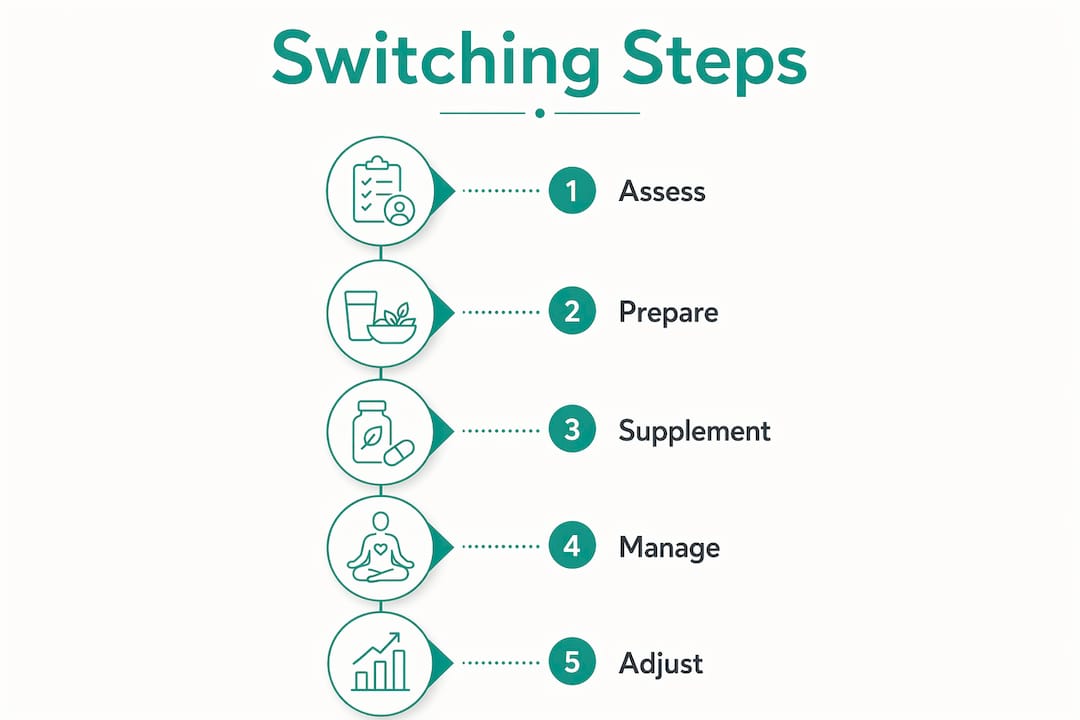
Harvard Health and Mayo Clinic both recommend consulting a doctor before changing fasting protocols, especially if you take medications or manage a chronic condition. Electrolyte imbalances are a real risk during transitions, and a healthcare provider can help you monitor for them. This step is non-negotiable if you have diabetes, low blood pressure, or a history of disordered eating.
Before you change anything, assess where you are right now:
- Current fasting experience: Have you completed at least 4 weeks on your current protocol without significant discomfort?
- Nutrient intake: Are you eating enough protein, healthy fats, and micronutrients during your eating window?
- Hydration: Are you drinking enough water throughout the day, including during fasting hours?
- Energy levels: Do you feel stable and focused during fasts, or are you still struggling with energy dips?
- Social and work schedule: Does your current protocol fit your daily life, or does it create friction?
If you answered "no" to any of these, address that issue before switching. A protocol change adds stress to your system. You want a solid baseline first.
Pro Tip: Start supplementing with sodium, potassium, and magnesium electrolytes at least one week before your transition date. This reduces the mineral losses that cause headaches and dizziness when your fasting window extends.
Step-by-step strategies for switching fasting protocols
The safest way to switch is gradually. Extending your fasting window by 30–60 minutes every 3–5 days gives your body time to adapt without triggering a stress response. Rushing the process is the most common mistake fasters make.
Here is a practical step-by-step approach for moving from 16:8 to 5:2:
- Week 1: Continue your 16:8 schedule. Add one low-calorie day (around 800 calories) mid-week to introduce the concept of restriction without full commitment.
- Week 2: Reduce that low-calorie day to 600 calories. Keep all other days at your normal 16:8 pattern.
- Week 3: Add a second low-calorie day, keeping them non-consecutive (for example, Tuesday and Thursday).
- Week 4: Drop both restricted days to 500 calories. You are now running a full 5:2 protocol.
- Week 5 onward: Evaluate how you feel. If energy and mood are stable, you have successfully transitioned.
Managing hunger is the other half of the equation. Beginners often mistake habitual hunger for true hunger. Habitual hunger is a conditioned response tied to your usual meal times. It fades within 14 days as your body recalibrates. Drinking water with electrolytes when hunger spikes helps you distinguish between the two and reduces the urge to eat outside your window.
Hybrid fasting is another effective approach. Experienced fasters often use 16:8 on busy workdays and extend their fasts on rest days or weekends. This dynamic approach keeps adherence high without locking you into a rigid schedule every single day.
Pro Tip: Use a fasting timer app to log your fasting windows, hunger levels, and energy each day. Patterns become visible within two weeks, and that data tells you whether your transition is working or needs adjustment.
Common challenges when switching fasting protocols and how to overcome them
Most fasters hit at least one obstacle during a protocol change. Knowing what to expect makes those obstacles manageable rather than discouraging.
Common mistakes during protocol changes include starting too aggressively, eating too little during the eating window, and skipping electrolyte supplementation. These three errors account for most of the headaches, dizziness, and rebound overeating that people blame on fasting itself.
| Challenge | Why it happens | Solution |
|---|---|---|
| Fatigue and dizziness | Electrolyte loss, calorie deficit | Add sodium, potassium, magnesium; eat enough |
| Habitual hunger spikes | Conditioned meal-time response | Drink water with electrolytes; wait 20 minutes |
| Rebound overeating | Eating window too short, under-fueling | Increase eating window temporarily; prioritize protein |
| Social pressure | Meals with family or colleagues | Use 5:2 or hybrid fasting for flexibility |
| Sleep disruption | Late eating window or calorie restriction | Shift eating window earlier; avoid large meals at night |
A few practical habits reduce these challenges significantly:
- Drink at least 2–3 liters of water daily, including during fasting hours.
- Prioritize protein and fiber in every meal to extend satiety.
- Keep your eating window consistent day to day so your body builds a reliable rhythm.
- Give any new protocol at least 3 full weeks before judging whether it works.
Seek medical advice if dizziness, heart palpitations, or extreme fatigue persist beyond the first two weeks of a transition. These symptoms can signal an underlying issue that fasting alone cannot fix.
How do you customize fasting protocols for your lifestyle?
Customized fasting techniques work better long-term than strict adherence to a single protocol. Consistency matters more than protocol intensity, and a plan you can actually follow beats a perfect plan you abandon after three weeks.
Hybrid fasting gives you the most flexibility. You might run 16:8 Monday through Friday when your schedule is structured, then extend to 18:6 or 20:4 on Saturday when you have more control over your day. On a training day, you might shift your eating window to align with your workout and recovery needs. Hybrid fasting strategies let you maintain social and training demands while still capturing the metabolic benefits of longer fasts.
Listening to your body is a skill that improves with practice. Some signals worth tracking:
- Energy during fasts: Stable energy suggests good metabolic adaptation. Crashing energy suggests you need more calories or a shorter fasting window.
- Sleep quality: Poor sleep often means your eating window is too close to bedtime.
- Workout performance: A drop in strength or endurance may mean you need to shift your eating window to cover your training session.
- Mood and focus: Irritability and brain fog during fasts usually resolve within 2–3 weeks. If they persist, the protocol may not suit your current lifestyle.
Pro Tip: Keep a simple daily log for the first 30 days of any new protocol. Note your fasting window, energy level (1–10), hunger intensity, and one observation about mood or focus. Thirty days of data gives you a clear picture of what is actually working.
Key Takeaways
Switching fasting protocols works best when you move gradually, manage electrolytes, and choose a method that fits your real daily life rather than an ideal one.
| Point | Details |
|---|---|
| Know your protocols | 16:8, 5:2, ADF, and OMAD differ in fasting length, difficulty, and fat loss outcomes. |
| Prepare before switching | Assess your health, hydration, and nutrient intake before changing your fasting schedule. |
| Transition gradually | Extend fasting windows by 30–60 minutes every few days to reduce side effects. |
| Manage hunger and electrolytes | Drink water with sodium, potassium, and magnesium to reduce false hunger and dizziness. |
| Personalize your approach | Hybrid fasting and daily tracking improve long-term adherence more than rigid protocol rules. |
Why I think most people switch fasting protocols for the wrong reason
Most fasters switch protocols because they hit a plateau and assume the protocol is the problem. In my experience, the protocol is rarely the issue. The issue is usually under-eating during the eating window, poor sleep, or chronic stress, none of which a longer fast will fix.
The concept of metabolic switching, where your body transitions from glucose to fat as its primary fuel, is the real engine behind intermittent fasting's benefits. That switch happens consistently only when you give your body enough time to deplete glycogen stores. Jumping to a more aggressive protocol before that adaptation is solid just adds stress without adding benefit.
What I have found actually works is spending at least 6 weeks on any protocol before evaluating it. Most people quit at week 3, right when the adaptation is still in progress. The fasters who see the best long-term results are the ones who treat protocol changes as deliberate experiments, not emergency fixes.
Hybrid fasting changed how I think about this entirely. The idea that you must follow the same schedule every single day is a myth. Your body responds to the cumulative fasting signal over time, not to a perfectly uniform daily window. A flexible schedule you stick to beats a rigid one you abandon.
One final thought: if you are switching protocols because fasting feels miserable, that is a signal worth respecting. Fasting should feel manageable, not punishing. The goal is a sustainable routine that fits your life, not a test of willpower.
— Shankar
Fast Track Pro makes protocol switching easier to manage
Changing your fasting schedule is straightforward when you have clear visibility into your progress. Fast Track Pro, the fasting timer app from Duttlabs built for Apple devices, gives you exactly that.
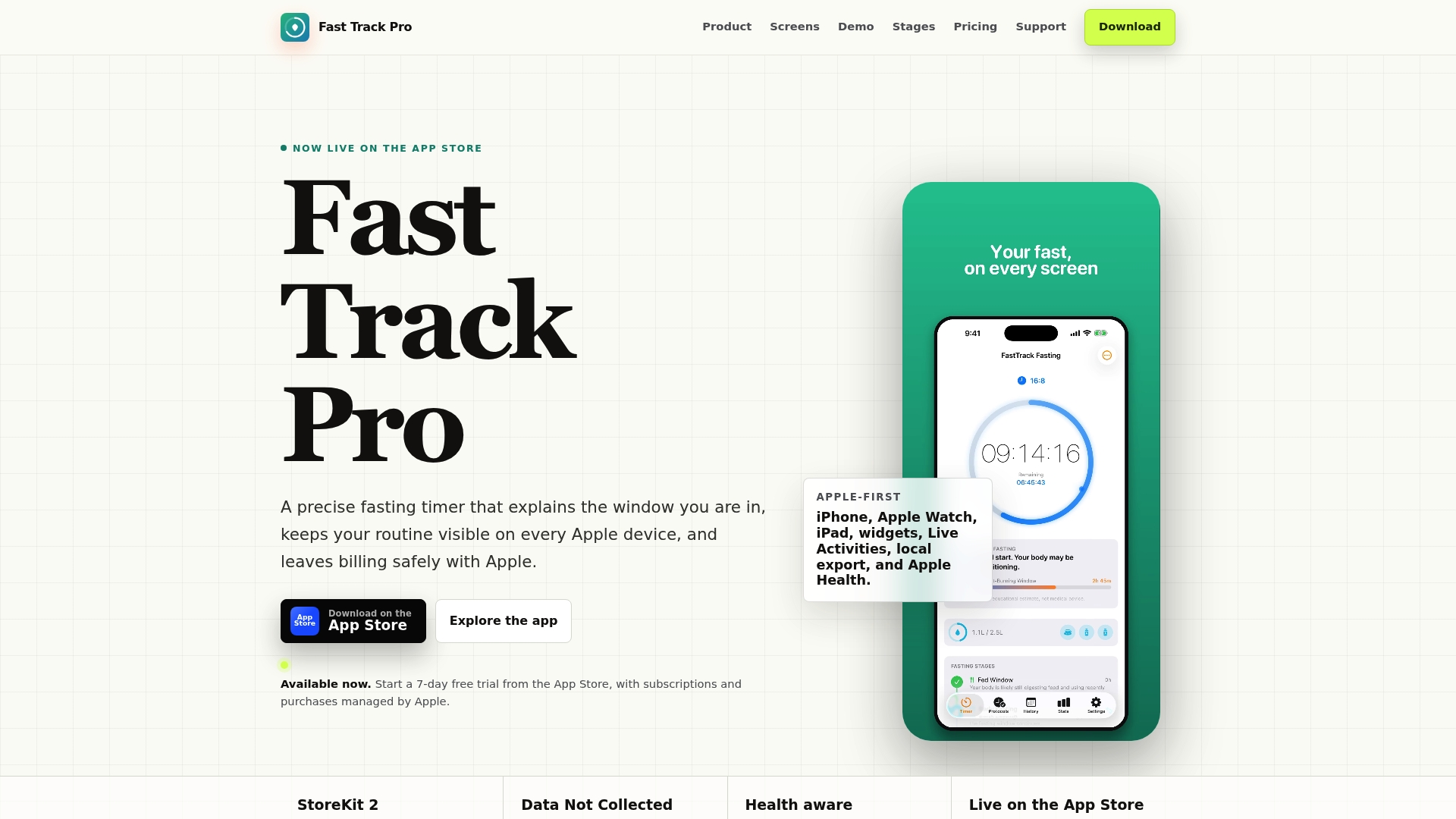
The app comes loaded with preset protocols including 16:8, 18:6, and OMAD, so you can switch between schedules without rebuilding your setup from scratch. It integrates with Apple Health, stores all data locally on your device, and uses no third-party analytics or ad tracking. Your fasting data stays yours. Whether you are moving from 16:8 to 5:2 or experimenting with a hybrid schedule, the Fast Track Pro fasting timer gives you the tracking and stage visibility to make confident, informed decisions about your routine. If you have questions about the app, the support page has you covered.
FAQ
What is switching fasting protocols?
Switching fasting protocols means changing your intermittent fasting schedule from one method to another, such as moving from 16:8 to 5:2, to better match your goals or lifestyle. The process works best when done gradually over 3–4 weeks.
How long should I stay on a protocol before switching?
Stay on any fasting protocol for at least 6 weeks before evaluating results. Most metabolic adaptation happens between weeks 3 and 6, so switching earlier gives you an incomplete picture.
Which intermittent fasting protocol produces the most weight loss?
ADF shows the strongest evidence for fat loss. A large analysis of 99 randomized controlled trials found ADF significantly reduced body weight compared to continuous energy restriction, with a mean difference of 1.29 kg.
How do I manage hunger when switching fasting protocols?
Drink water with electrolytes (sodium, potassium, magnesium) when hunger spikes during a transition. Habitual hunger typically fades within 14 days as your body adjusts to the new eating schedule.
Do I need to see a doctor before changing my fasting protocol?
Yes, if you take medications or have a chronic condition. Harvard Health and Mayo Clinic both recommend medical monitoring during fasting transitions to avoid risks like electrolyte imbalances or medication interactions.